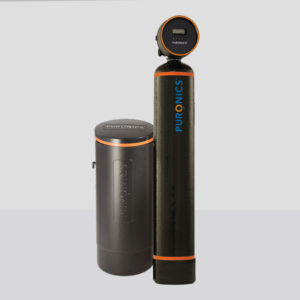
Understanding Water Softeners
Water softeners are devices designed to reduce the hardness of water, which is caused by high levels of calcium and magnesium. By using a process known as ion exchange, these systems replace hard minerals with sodium ions, resulting in softer water that is gentler on skin, hair, and household fixtures.
For example, households with hard water often experience limescale buildup in pipes and appliances, leading to reduced efficiency and increased maintenance costs. By investing in a water softener, homeowners can extend the lifespan of their plumbing and appliances while enjoying the benefits of softer water for everyday use.
Benefits of Using a Water Softener
Using a water softener offers numerous advantages, including improved skin and hair health, increased efficiency of appliances, and reduced energy bills. Softer water can enhance the effectiveness of soaps and detergents, leading to cleaner dishes and laundry.
Additionally, many users report a noticeable difference in the feel of their skin and hair after switching to softened water, as it can help prevent dryness and irritation. Furthermore, appliances like dishwashers and water heaters operate more efficiently, potentially saving homeowners money on energy costs over time.
Choosing the Right Water Softener
Selecting the appropriate water softener involves considering various factors, including the hardness level of your water, household size, and specific needs. Different models, such as salt-based and salt-free systems, offer unique benefits and functionalities.
For instance, salt-based softeners are highly effective for severe hard water issues, while salt-free systems may be more suitable for those looking for a low-maintenance option. Consulting with a water treatment professional can help you determine the best solution tailored to your situation.
Installation and Maintenance of Water Softeners
Proper installation and regular maintenance are crucial for ensuring the longevity and efficiency of your water softener. Many homeowners opt for professional installation to ensure that the system is set up correctly and functions optimally from the start.
Maintenance typically involves regularly checking salt levels, cleaning the resin bed, and ensuring that the system is functioning correctly. Following the manufacturer's guidelines can help prevent issues and keep your water softening system in top condition for years to come.